What tips should I definitely consider as a beginner with chain wax?
For many newcomers, chain wax initially sounds like a lot of effort, special tools, and complicated procedures. That's precisely why we keep getting the same questions: What do I really need? Is chain wax suitable for everyday use? And what's the best way to start?
In this guide, we answer the most important beginner questions about chain wax. The focus is deliberately on a simple, practical introduction, without unnecessary technical gadgets or marketing promises. The goal is to give you confidence and make getting started as easy as possible.
Why are so many cyclists switching to chain wax?
The main reason why many cyclists deal with chain wax is surprisingly simple: a waxed drivetrain stays significantly cleaner. While chain oil binds dirt and combines with dust to form a greasy paste, wax adheres to the chain as a dry solid. This not only reduces contamination but also wear on the chain, cassette, and chainrings.
Additionally, many riders report smoother running, less noise, and overall longer durability of the entire drivetrain. This is a real advantage, especially for everyday riders, commuters, gravel, and road cyclists.
What do you need to get started with chain wax?
One of the biggest hurdles for beginners is the worry of having to buy a lot of equipment first. In practice, getting started is much simpler than often assumed.
Basically, the chain must be completely degreased before the first waxing. A classic degreaser like brake cleaner or nitro thinner is sufficient for this. It is also important that the chain can be removed from the bicycle. A quick link makes this step considerably easier and should be standard for modern drivetrains anyway.
For the wax itself, you have the choice between liquid wax and hot wax. No special equipment is absolutely necessary for getting started, especially if you initially opt for liquid wax.
Hot wax or liquid wax? What do I really need?
This question is almost always asked, and the answer for beginners is quite clear: liquid wax is the easier start.
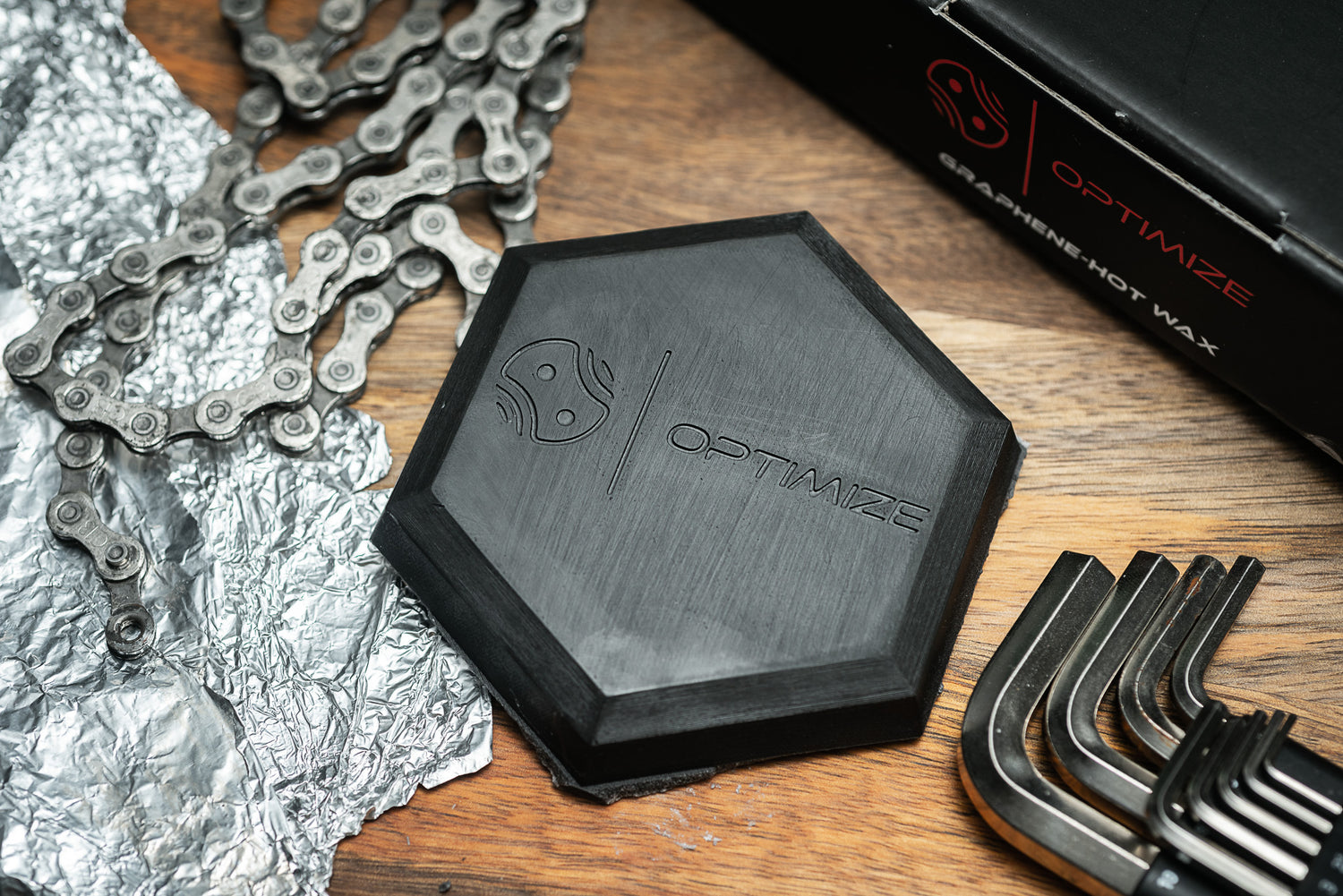
Hot wax offers maximum performance and very long mileage, but it involves more effort. The wax needs to be heated, the temperature should be controlled, and the process requires some routine. While mistakes are rarely serious, they can be unsettling, especially at the beginning.
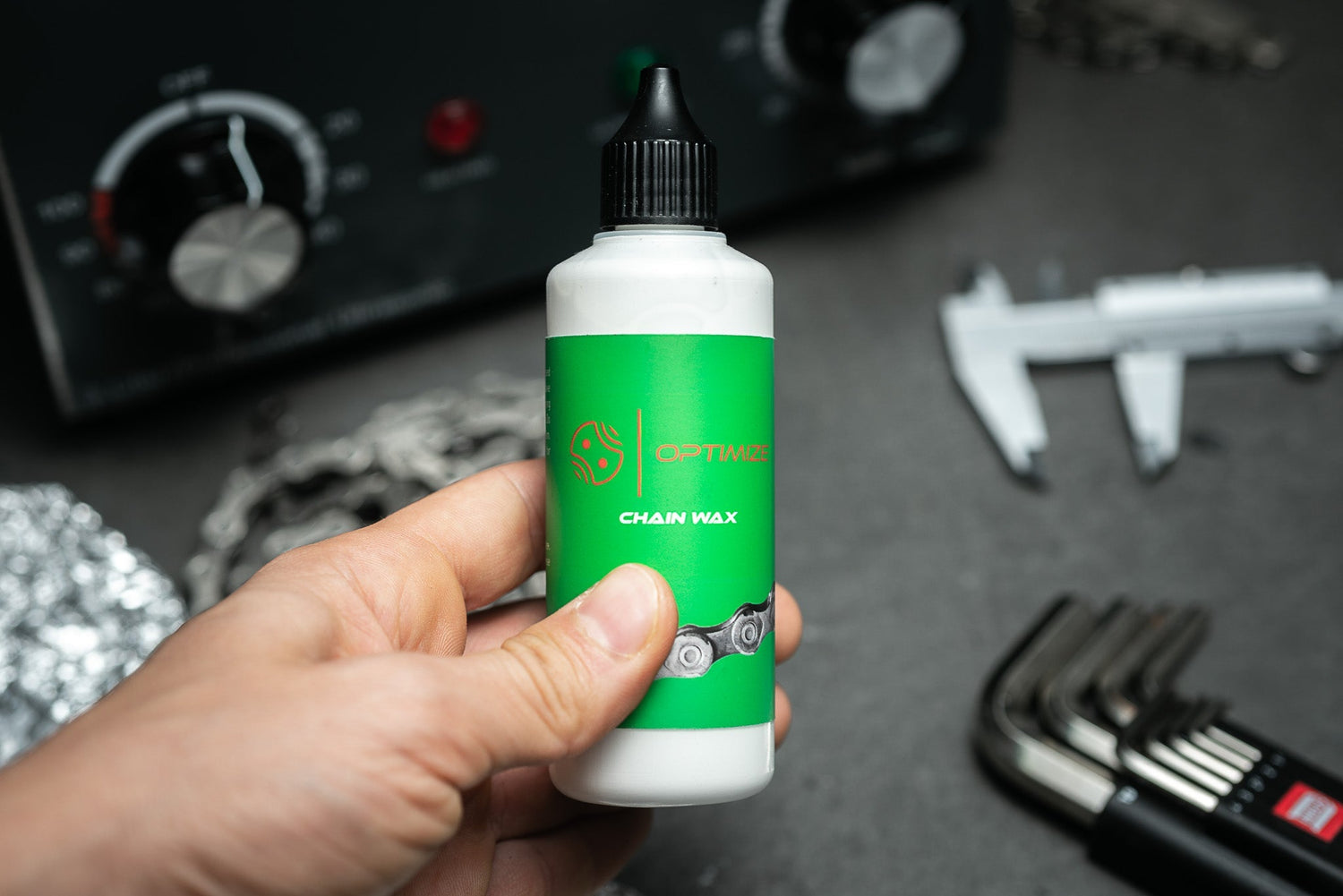
Liquid wax, on the other hand, is applied almost as easily as chain oil. It requires hardly any additional tools, saves time, and significantly reduces sources of error. That's why we almost always recommend beginners to start with liquid wax and later switch to hot wax if desired.
Additives like graphite or graphene, useful or marketing?
There is often uncertainty when it comes to additives. Generally, the higher the demands on efficiency and durability, the more worthwhile additives are.
For most riders, a wax with graphite is a very good compromise. It offers high mileage, good wear protection, and remains suitable for everyday use. Waxes without additives are particularly suitable for those for whom a clean drivetrain is more important than maximum performance.
Graphene-based waxes are primarily aimed at ambitious sports riders and racing situations where every watt counts. However, they are not a must for beginners.
How much time should one realistically plan for when switching to chain wax?
The most time-consuming step when waxing a chain is almost always the first, thorough degreasing. It pays to work carefully here, as this effort will not be necessary to the same extent later.
Once the chain is properly prepared, the time required is significantly reduced. Liquid wax can be applied in a few seconds and then dries on its own. Hot wax requires more time, especially when using simple means like a saucepan.
In the long run, many riders even save time by waxing, as the drivetrain needs to be cleaned less often.
How does chain wax behave in rain and moisture?
A common misconception is that chain wax performs worse than oil in wet conditions. In fact, the opposite is often true. Oil can be washed away by water, while wax remains on the chain as a solid, thus offering surprisingly high mileage.
Only the handling after the ride is important. After rain, the chain should be wiped dry and the bicycle stored as dry as possible. This way, superficial flash rust can be easily avoided – an effect that can also occur with oiled chains.
What beginner mistakes are there with chain wax and how to avoid them?
The most common mistake is impatience the first time. Those who take enough time for degreasing will later be rewarded with smooth running and long durability.
With hot waxing, the first impression often causes uncertainty, as the chain can feel a bit stiff at first. This feeling disappears after a few kilometers. Depending on the temperature, the break-in period takes about 30 to 50 kilometers – after that, the chain runs noticeably smoother.
Conclusion: Chain wax is easier than its reputation suggests
Chain waxing is not rocket science. With the right preparation and realistic expectations, the switch is easily possible, especially with liquid wax. Once you have experienced the benefits of a clean, quiet, and durable drivetrain, you usually don't want to go back to classic chain oil.
If you would like to delve deeper into the topic or are looking for suitable products, you will find more information and solutions for modern drivetrain care on optimize.bike.
Frequently asked questions / FAQ:
1. Is chain wax better than chain oil?
Chain wax usually ensures a cleaner drivetrain, lower wear, and less dirt adhesion. Oil can be easier to apply, but it binds dust and dirt more strongly.
2. How long does chain wax last on a bicycle chain?
Depending on the conditions, chain wax often lasts 200–400 km or longer. In rain or a lot of dirt, re-waxing earlier may be advisable.
3. Does the chain have to be completely degreased before waxing?
Yes, this is crucial. Only a completely degreased chain allows for optimal adhesion of the wax and maximum durability.
4. Liquid wax or hot wax – where to start?
For beginners, liquid wax is usually easier. Hot wax offers maximum performance, but requires a bit more preparation.
5. Does chain wax also work in the rain?
Yes. Wax adheres as a solid and is less easily washed off than oil. It is important to dry the chain after riding in the rain.
6. How often do you have to clean a waxed chain?
Significantly less often than with oil. Often, dry wiping is sufficient, as less dirt accumulates.
7. Do you need special tools for chain waxing?
Not necessarily. A quick link makes removing the chain easier, otherwise basic cleaning equipment is sufficient.
8. Is chain wax worthwhile for everyday riders?
Yes, especially because of the cleanliness, longer drivetrain durability, and lower maintenance effort.